Source Hand Truck Tool Cart for Workshop, Storage, and Industrial Use
Explore 30 hand truck tool cart options to compare load capacities, wheel configurations, and material grades. This guide helps buyers evaluate steel and aluminum models for efficient workshop organization and industrial transport needs; compare the available evidence and request quotations based on your requirements.
Key considerations
Products List
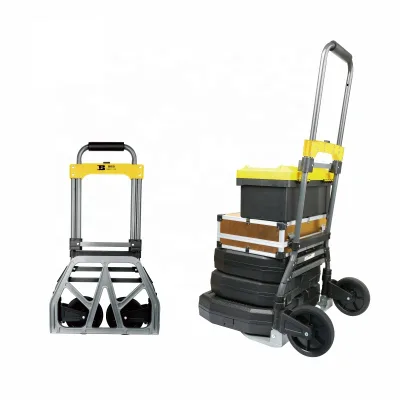


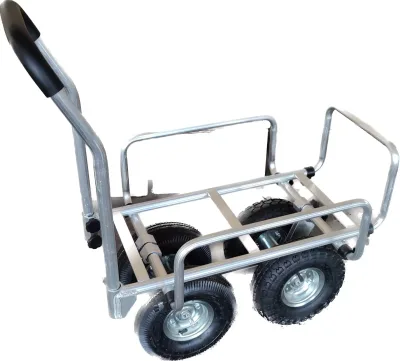


Comprehensive Sourcing Guide
Hand Truck Tool Cart Sourcing Guide
Procuring hand trucks and tool carts requires a disciplined approach to verifying product capabilities against specific operational needs. Buyers must distinguish between simple transport devices and complex storage solutions, as the functional requirements differ significantly. The observed market data indicates a wide range of configurations, from basic two-wheel models to multi-tier industrial carts. Understanding these distinctions prevents over-specification or under-performance in the field.
The initial step involves defining the primary use case, whether for indoor workshop organization or outdoor material handling. Listings show applications spanning tools, shopping, and industrial storage, suggesting versatile utility. However, the specific environment dictates material choices and load requirements. Buyers should clarify if the equipment will face harsh weather conditions or remain in controlled indoor spaces. This clarity ensures that the selected product matches the intended duty cycle and environmental exposure without unnecessary cost premiums.
Product Scope and Observed Listing Signals
The product scope for hand trucks and tool carts includes both folding and unfolding styles, with materials ranging from steel to aluminum. Observed listings highlight specific models such as BS521150 and HT1102, indicating distinct design philosophies. Steel constructions are common for heavy-duty applications, while aluminum options offer lighter weight for frequent manual handling. The presence of both folding and unfurling styles suggests that space efficiency is a key consideration for many buyers.
Buyers should note the variation in wheel configurations, with observed counts of two, four, and six wheels. This variation impacts maneuverability and stability, particularly when navigating tight spaces or uneven terrain. Additionally, color options include yellow, black, white, and blue, which may serve safety visibility or brand alignment purposes. The observed load capacities range from 150kg to 400kg, providing a clear benchmark for structural integrity. Verifying these specific attributes ensures that the selected unit meets the physical demands of the intended workflow.
Technical Specifications to Verify
Technical verification begins with confirming the load capacity, which is a critical safety parameter. Listings indicate capacities of 150kg and 400kg, but buyers must ensure these figures align with their maximum expected loads. Exceeding the rated capacity can lead to structural failure or wheel damage. It is essential to request test data or certification documents that validate these claims under real-world conditions. This step prevents accidents and ensures long-term durability of the equipment.
Material grade and surface treatment also require detailed inspection. Industrial-grade steel is specified in some listings, while others use aluminum. Surface handling methods include paint and plastic coatings, which affect corrosion resistance and aesthetic durability. Buyers should verify the thickness of the material and the quality of the coating to ensure resistance to wear and tear. Additionally, checking the insulation status is important, as non-insulated models are standard for general use, but specific environments may require different properties.
Compliance and Safety Documentation
Compliance documentation is vital for ensuring that the equipment meets safety standards in the target market. Observed certifications include ISO, GS, and BV, which indicate adherence to international quality and safety benchmarks. Buyers should request copies of these certificates to verify their validity and scope. The presence of GS certification, for example, suggests compliance with German safety standards, which are often stringent. This documentation provides assurance that the product has undergone rigorous testing and inspection.
Safety labels and packaging also play a role in compliance. Listings mention color labels and warning labels on each unit, which are essential for user safety. Buyers should ensure that these labels are present and legible, as they provide critical information about load limits and proper usage. Additionally, the packaging method, such as shrink wrap or polybags, should be verified to ensure that the product arrives in good condition. Proper labeling and packaging reduce the risk of accidents and liability issues during operation.
Cost Drivers and Commercial Terms
Cost drivers for hand trucks and tool carts include material type, load capacity, and customization options. Steel models generally cost more than aluminum due to material expenses, while higher load capacities increase structural complexity and cost. Customization, such as custom logos or colors, adds to the unit price but may be necessary for brand consistency. Buyers should request detailed quotes that break down these cost components to understand the value proposition. This transparency helps in negotiating better terms and avoiding hidden fees.
Commercial terms, including MOQ and payment conditions, also impact the total cost of ownership. Observed MOQs range from 1 to 1000 pieces, allowing flexibility for small and large orders. Buyers should negotiate payment terms that align with their cash flow, such as partial payments or credit terms. Additionally, warranty periods vary, with some listings offering six months, two years, or five years. Longer warranties may reduce long-term maintenance costs but could increase the initial purchase price. Evaluating these terms holistically ensures a favorable procurement outcome.
Supplier Qualification and Quality Control
Supplier qualification involves assessing the manufacturer's capability to produce consistent, high-quality products. Buyers should verify the supplier's location, such as Qingdao, China, and their production capacity. Requesting factory audits or third-party inspection reports can provide insight into the supplier's quality control processes. This step ensures that the supplier has the infrastructure and expertise to meet the buyer's specifications. It also helps in identifying potential risks, such as supply chain disruptions or quality inconsistencies.
Quality control measures should include pre-shipment inspections and sample approvals. Buyers should request samples to evaluate the product's build quality, material integrity, and functionality. This hands-on assessment allows for the identification of any defects or deviations from the specifications. Additionally, verifying the supplier's after-sales service policy is crucial, as some listings indicate no after-sales service, while others offer extended support. A robust quality control process minimizes the risk of receiving defective products and ensures customer satisfaction.
Long-Term Procurement Checks
Long-term procurement checks focus on the sustainability and scalability of the supply relationship. Buyers should evaluate the supplier's ability to scale production to meet future demand increases. This includes assessing their raw material sourcing, production capacity, and logistics capabilities. A reliable supplier should have contingency plans for supply chain disruptions, ensuring consistent delivery. This stability is essential for maintaining operational continuity and avoiding downtime.
Additionally, buyers should monitor market trends and technological advancements in hand truck and tool cart design. New materials or features may offer improved performance or cost savings over time. Engaging in regular communication with the supplier allows for the incorporation of these innovations into future orders. This proactive approach ensures that the procurement strategy remains aligned with evolving business needs and industry standards. Regular reviews of the supplier's performance and market position help in making informed decisions for long-term partnerships.
FAQs
What is the maximum load capacity for this hand truck tool cart?
The maximum load capacity is 150kg, which is equivalent to 150 lbs. This rating ensures the cart can safely handle standard industrial tool sets and equipment without structural compromise. Buyers should verify that their specific tool weight distribution remains within this limit to maintain stability and prevent damage during transport.
What materials are used in the construction of this tool cart?
The cart is constructed from steel or aluminum, depending on the specific model variant. Steel provides high durability for heavy industrial use, while aluminum offers a lighter weight for easier maneuverability. Both materials are treated with paint or plastic surface handling to enhance corrosion resistance and extend the product lifespan in various environments.
Can I customize the logo and color of the hand truck tool cart?
Yes, customization is available for both logo and color. You can request a customized logo to be applied to the cart, and the color can be selected from options like yellow, black, white, or blue. This allows businesses to align the equipment with their brand identity or safety color coding standards for better visibility and organization.
What is the minimum order quantity for purchasing these tool carts?
The minimum order quantity is 100 pieces. This MOQ applies to standard orders and allows for bulk procurement suitable for industrial fleets or large-scale facility upgrades. Buyers should confirm if smaller trial orders are possible, though the listed standard requirement remains at 100 units per transaction.
What certifications does the hand truck tool cart hold?
The product holds ISO and GS certifications, with some variants also featuring BV certification. These certifications indicate compliance with international quality management standards and safety requirements. They provide assurance that the tool cart meets rigorous testing protocols for structural integrity and safe operation in industrial settings.
What is the warranty period for this industrial tool cart?
The warranty period varies by model, with options ranging from 6 months to 5 years. Some listings specify a 2-year after-sales service period. Buyers should verify the specific warranty terms associated with their selected model number to understand the coverage duration and conditions for potential repairs or replacements.
How is the hand truck tool cart packaged for shipping?
Packaging options include shrink wrapping with color and warning labels, bulk packing, or palletizing. Some units are shipped in individual polybags or cartons. The specific packaging method depends on the order volume and logistics requirements, ensuring the product remains protected during transit from the origin in China.